ABOUT SOURABH
I grew up in India in a small town along the Pakistani border where life was practical and shaped by necessity. There are times that I wonder how I came to be an artist from this community that neither valued nor had time for art.
As a child, my imagination compelled me in a way I could not control. I’m not sure I can fully explain why. I experience synesthesia, and perception has always arrived to me heightened - through color, texture, feeling and form all at once. But beyond any explanation, I simply knew I had an insatiable curiosity and need to create.
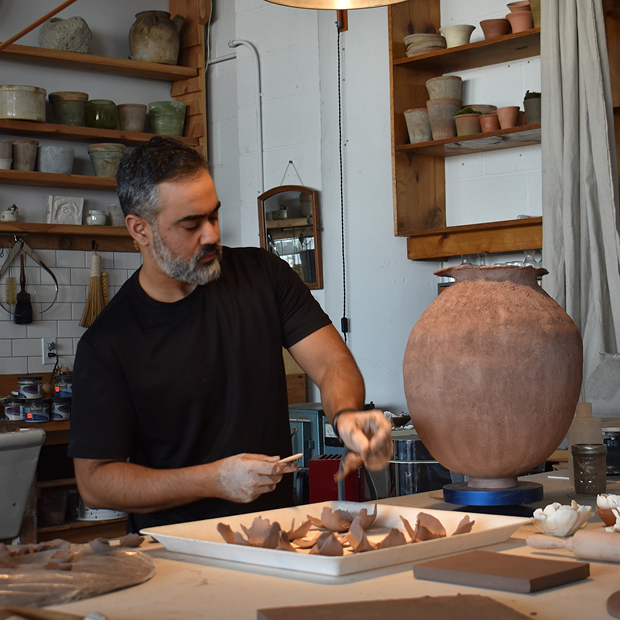
My imagination ultimately was most informed by glimpses of other worlds, especially the world of plants. At my grade school, there were gardens we weren’t allowed to touch. But I would watch closely as flowers and leaves shifted form through the seasons. While everything else felt still, these flowers held potential for beauty and life. I began to recreate my own imagined garden, one I could touch, mold and bring to life. Much to my family’s bewilderment I eventually filled our humble, unadorned home with my creations. I privately understood that art could serve as beauty, and as an existence between worlds.
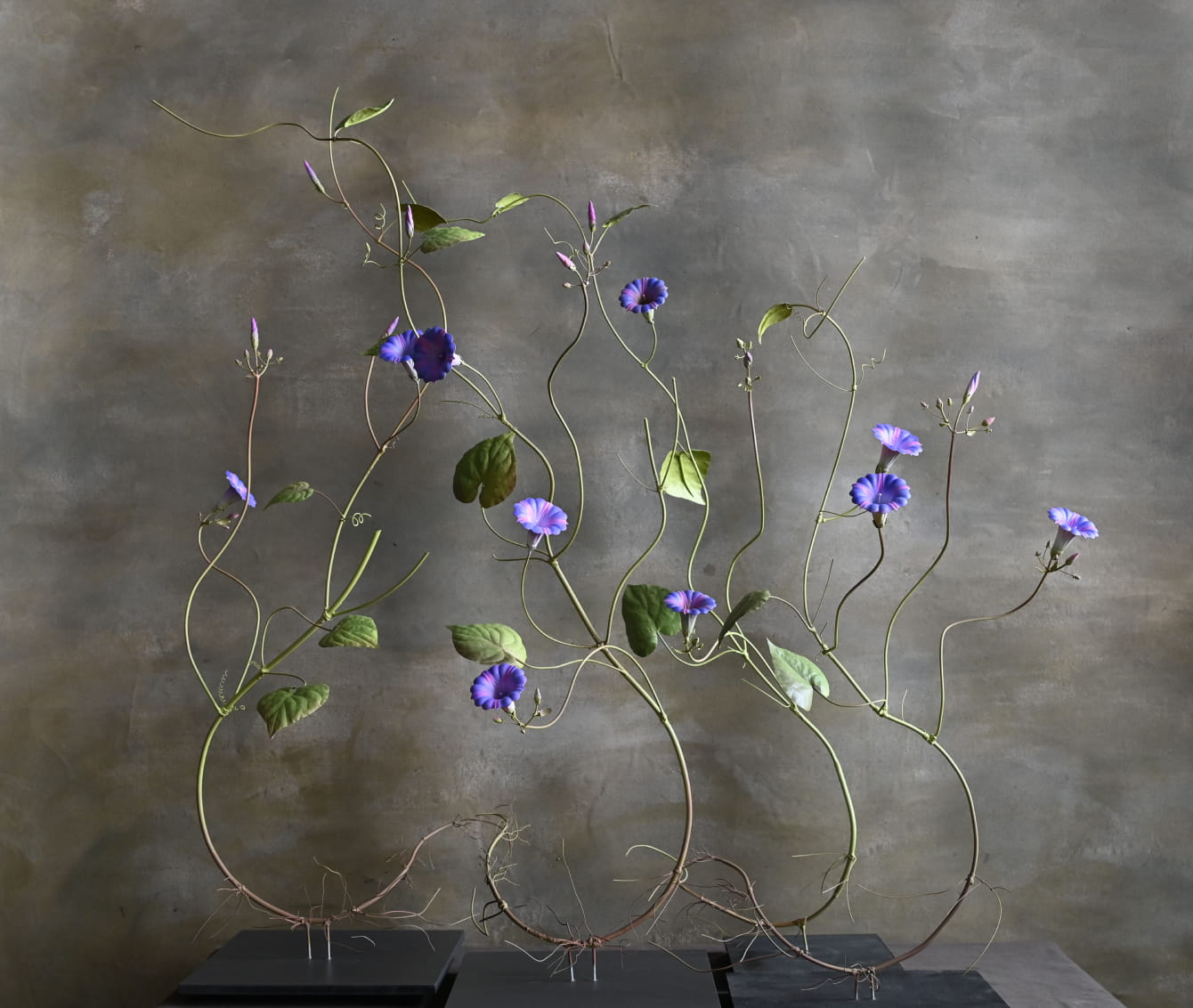
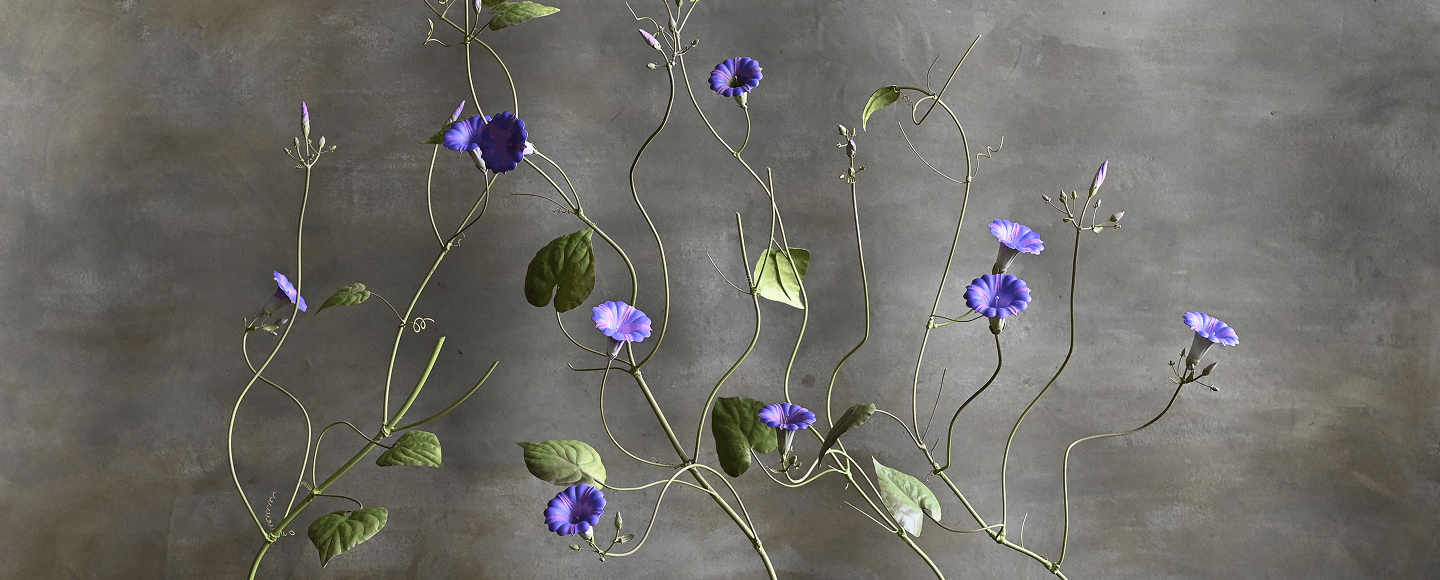
Looking back, life feels almost like an old romantic bollywood movie — within my short walk from my home to my school — I would encounter a whole world that went around in a time gone by. There was a cobbler under the banyan tree mending shoes; a person dying fabrics into these most vivid colors and drying them on walls and fences; woodworkers carving intricate maple leaves vines into walnut; and metalsmiths hammering steel and bronze into petals and leaves. These neighbors became my teachers.
My materials became whatever I could find. Ground spices became pigments for my drawings. Scraps from the cobbler became raw material. Kitchen utensils became tools. Barbed wire, shoe polish lids, and even ketchup took on new purposes. Necessity taught me that every material holds potential if approached with enough curiosity and dedication.
That belief deepened when I first saw someone making a clay pot on television. Determined to do the same, I improvised my own wheel from an old bicycle laid on its side, a hand-cut wooden platform, and my cousin turning the pedals in exchange for pocket money. Not knowing any better, I attempted the vessel in plaster of Paris instead of clay, and somehow succeeded. When I later encountered real clay and a true wheel, I felt I had found heaven.
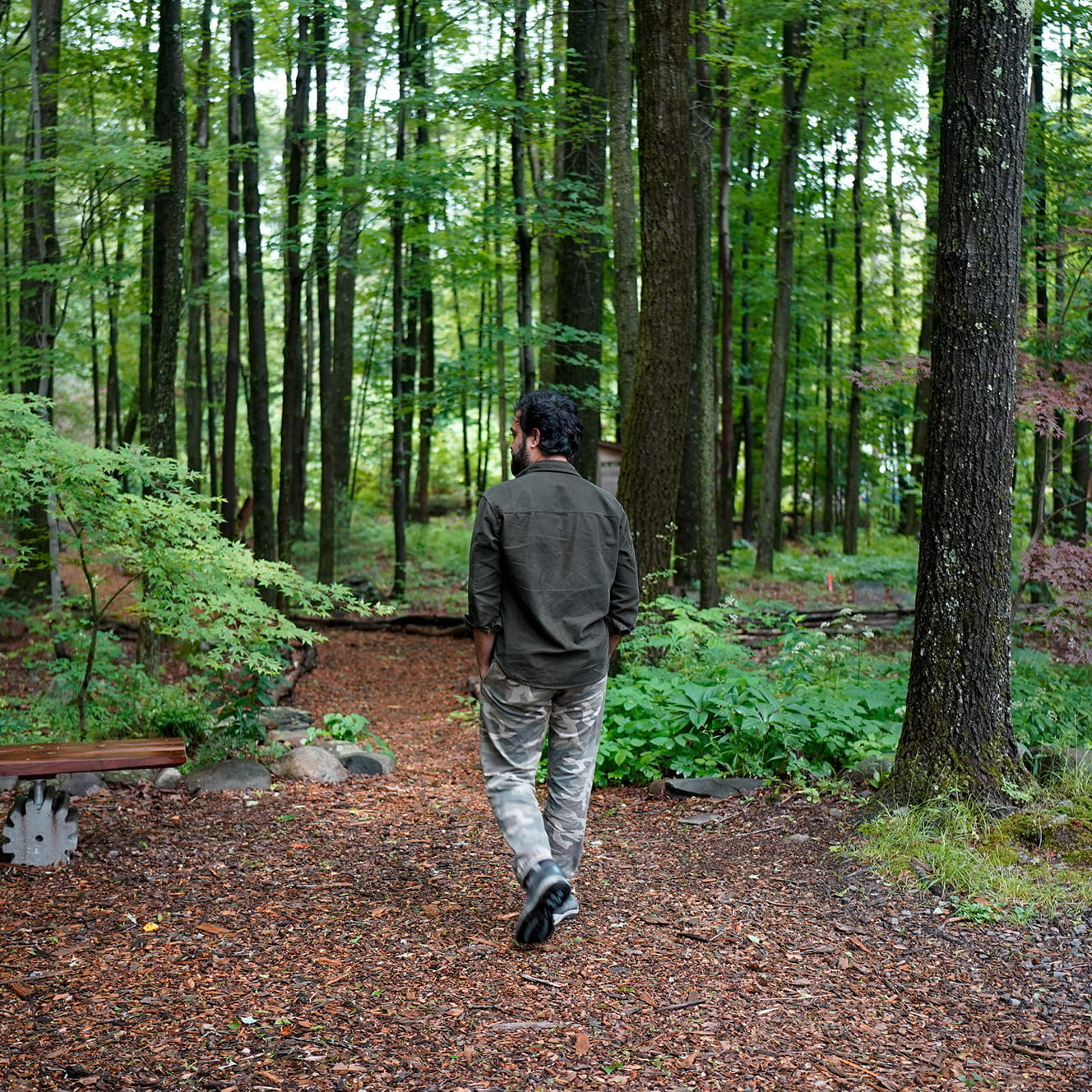
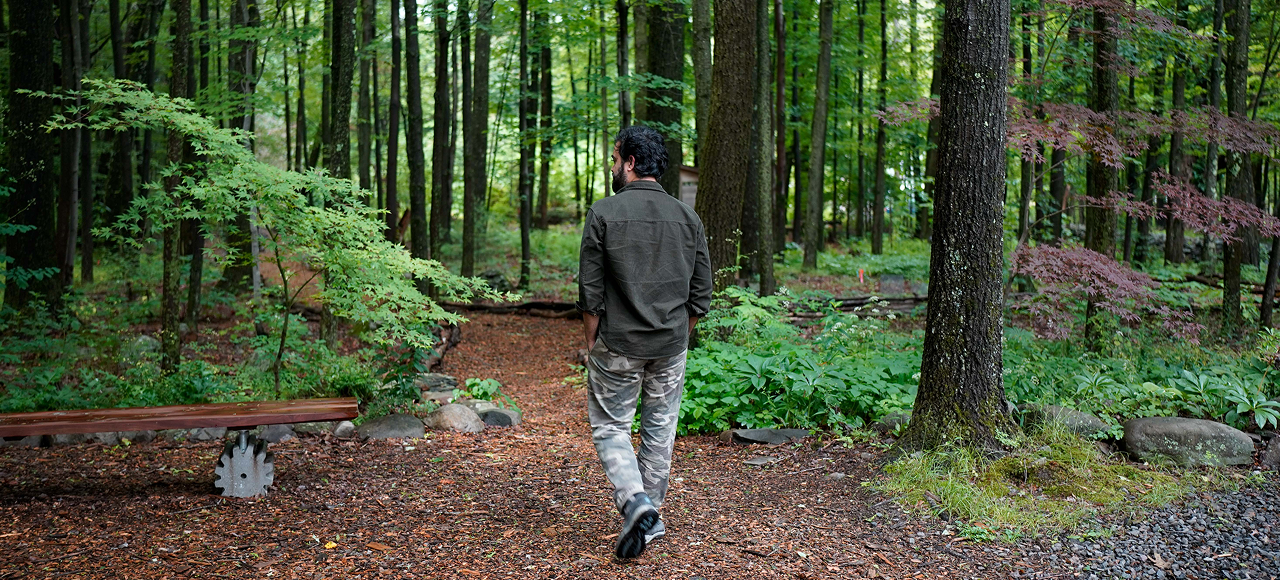
I came to New York in 2018 after training as an architect in India and later studying at Parsons. The spirit of experimentation and imagination that shaped my childhood has never left me. My Brooklyn studio now allows me to move freely between mediums. Material and technique guide my work, allowing me to follow curiosity wherever it leads and to build the imagined worlds I wish to create. It’s not utilitarian at all, and oftentimes, I even allow myself to be frivolous.
Much of my work remains centered on botanicals. I’m not interested in faithful recreations. I have never drawn a perfect stem, and I do not intend to start. My work explores the space between my imagination and the natural world. I want to capture what a flower evokes rather than what it always looks like. It is the heady memory of the flower or garden that interests me: its perfume, its beauty, the way it grows and even decays.
